
Why Does the Cheek Area Matter?
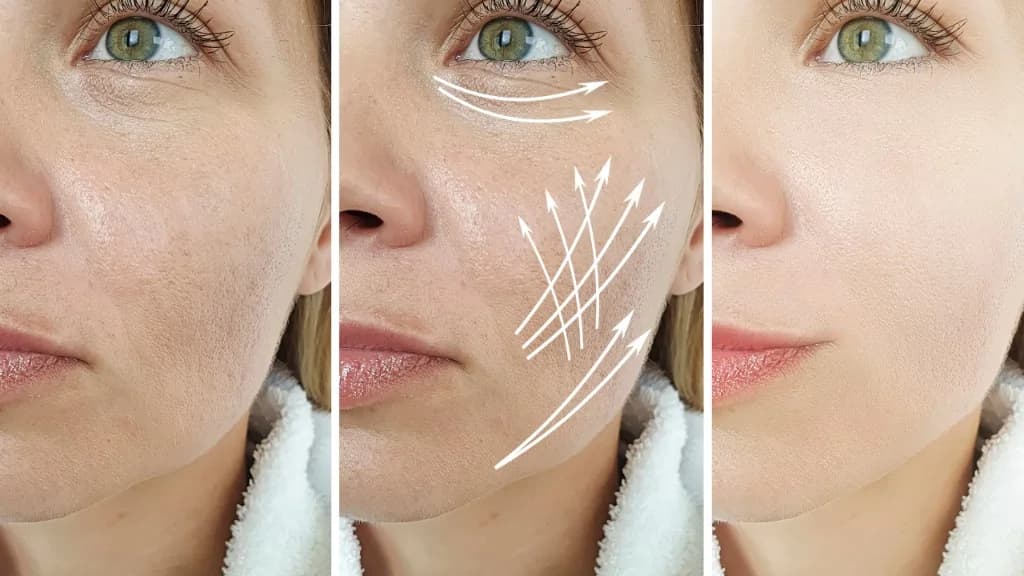
Cheeks do more than form the middle of the face. They also contain muscle groups that play an active role in smiling, speaking and many facial expressions.
Cheek appearance can be influenced by many factors:
- bone structure,
- fat distribution,
- muscle structure,
- the aging process,
- genetics.
Everyone's facial structure is different, and aiming for one standard look is not the right approach.
On This Page
How Do Cheek Muscles Work?
Unlike many other muscle groups, facial muscles attach directly beneath the skin.
Muscles in the cheek area stay active throughout the day when you:
- speak,
- smile,
- eat,
- make expressions.
Face yoga aims to make these movements more conscious.
How Face Yoga Approaches the Cheeks
Face yoga is not a method that guarantees cheek "lifting."
Instead, it consists of exercises that aim to:
- increase muscle awareness,
- build controlled movement habits,
- develop a steady care routine,
- use facial movement more consciously.
Regular practice may be more sustainable than short, intense sessions.
What to Keep in Mind During Cheek Exercises
The most common beginner mistake is pushing movements too hard.
For a more comfortable practice:
- move slowly,
- do not hold your breath,
- do not squeeze your face too much,
- keep shoulders relaxed,
- use a mirror to check symmetry.
Controlled practice is always the better approach.
Should the Cheek Area Be Trained Alone?
Usually no.
For facial balance, the cheek area is considered together with:
- the jawline,
- the mouth area,
- the neck,
- the lower face.
That is why many face yoga programs train several zones in the same routine.
Building a Daily Routine
Building a steady habit matters more than long workouts.
Small habits can improve sustainability, such as:
- a short morning routine,
- a few minutes before evening skincare,
- following a weekly program plan.
Most Common Mistakes
Frequent mistakes when working the cheeks include:
- applying too much pressure,
- moving too fast,
- holding the breath,
- pulling the face too much,
- focusing on only one zone.
Balanced work across facial muscles supports a more natural approach.
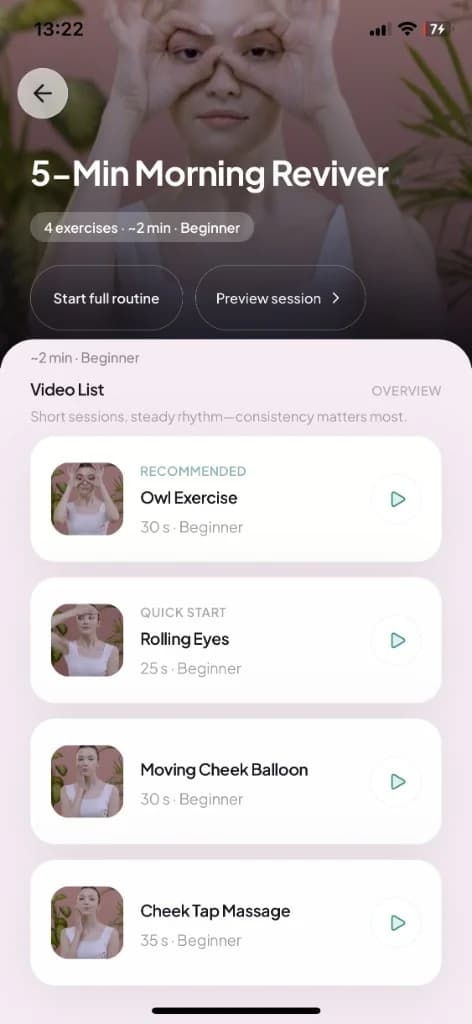
Cheek Programs in Face Yo
Choosing which movements suit the cheek area is not always easy.
Face Yo offers:
- guided cheek-focused programs,
- short daily routines,
- video exercise lessons,
- personalized training plans,
- progress tracking,
- water reminders,
- UV tracking
all in one app.
Programs can be planned to your level and followed regularly.
Conclusion
The cheek area is one of the important zones that shape natural facial expression.
Face yoga can help you build a sustainable care habit through controlled movement and regular practice.
The best approach is a steady, balanced routine rather than short-term high expectations.