
Face Area Guide
Nasolabialfalten
Nasolabialfalten — Mittelgesicht und Wangenstütze ohne aggressive Versprechen.
Erstelle eine neue Pflegeroutine für deine Haut.
Verbinde Gesichtsyoga, Hautpflege und tägliche Gewohnheiten in einer App.
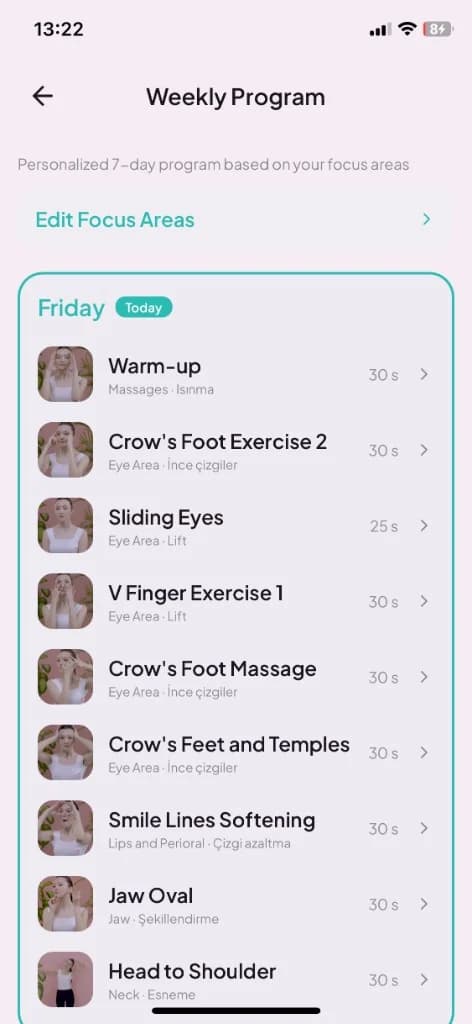

Area overview
Area overview
Nasolabialfalten verlaufen von der Nase zu den Mundwinkeln. Sie sind normal und verändern sich mit Alter, Sonne und Volumen.
Gesichtsyoga kann Mittelgesichtsbewusstsein unterstützen — nicht Falten wegzaubern.
Common appearance concerns
- Sichtbarkeit Lachfalten
- Mittelgesicht-Stütze
- Ausdrucksgewohnheiten
- Wangen-Tonus
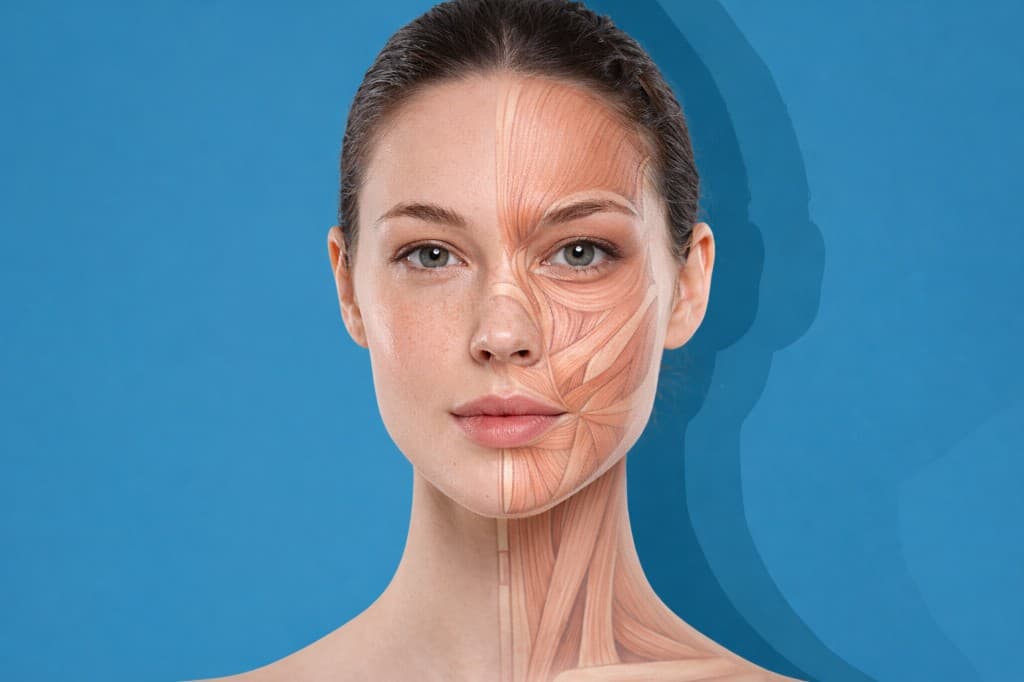
Muscles in this area
Muscles in this area
A simplified map of the muscle groups most often associated with this area, how they move and why Face Yo keeps the practice gentle.
Zygomaticus major
Hebt beim Lächeln die Mundwinkel.
Helps explain expression awareness and gentle release around the forehead, brows or eye area.
Levator labii superioris
Hebt die Oberlippe und stützt das Mittelgesicht.
Helps explain expression awareness and gentle release around the forehead, brows or eye area.
Wangen-Stützzone
Vollerer Wangenteil im Mittelgesicht.
Relates to facial balance, expression and controlled activation through the central face.
Anatomical and science references
References help explain the anatomy and the current limits of facial-exercise research. The guided lesson itself lives inside the Face Yo app.
Learn the anatomy here. Practice the guided lesson in the app.
Practice examples
Guided direction for this face area
These editorial visuals show how Face Yo guides muscle awareness and controlled movement in this zone. They illustrate practice direction—not guaranteed cosmetic outcomes.
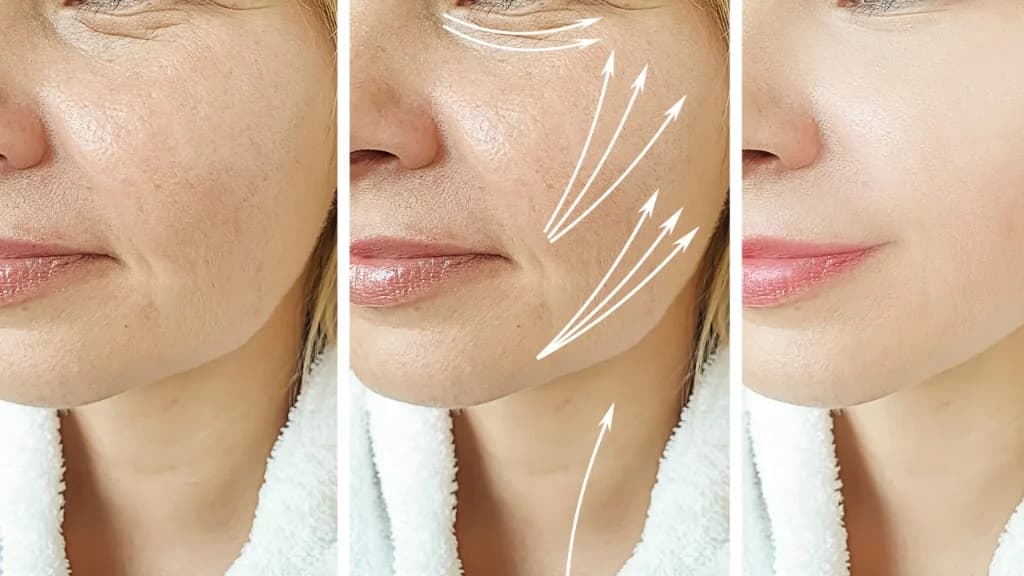
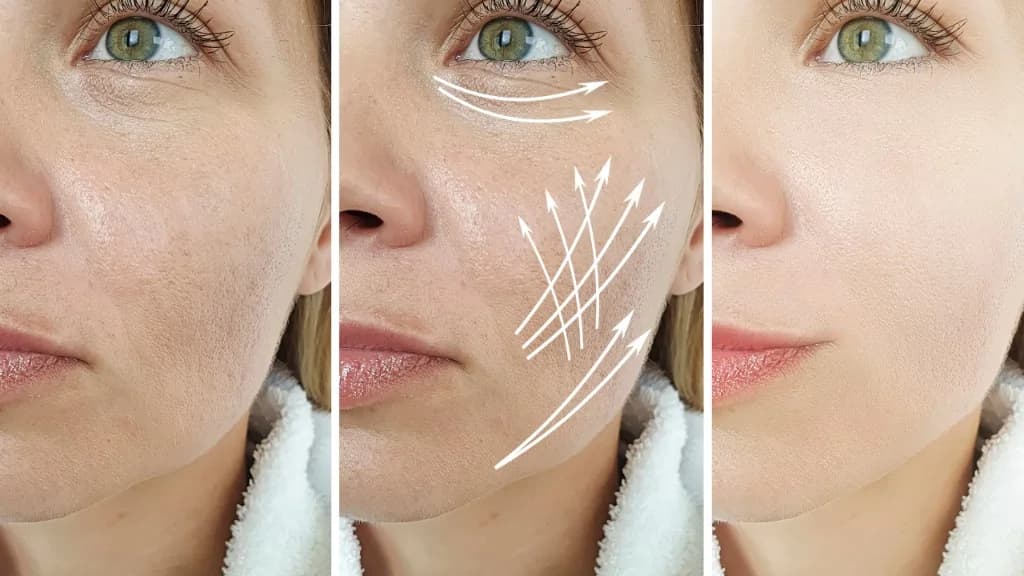
In Face Yo
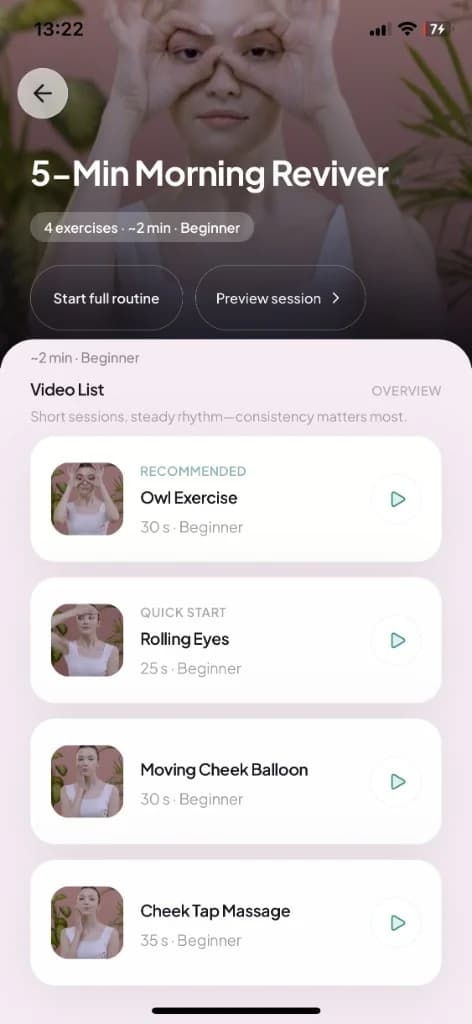
Guided practice for this area
Choose your focus, follow short video sessions, and stay consistent with your weekly program — the same flow users see in the app.
What to keep in mind
Ausdrucksmuster
Wiederholtes Lächeln und Mittelgesichtsbewegung prägen die Zone.
Sanfte Aktivierung
Kontrollierte Wangenarbeit kann Bewusstsein ohne Überlastung fördern.
Realistische Einordnung
Falten sind normal; Wellness fokussiert Gewohnheit und Muskelbewusstsein.
Related exercises
Related routines
Follow this routine step by step in Face Yo.
Wangen
Aktivierung der Wangenmuskeln und Lächel-Bewusstsein.
Follow this routine step by step in Face Yo.Anti-Aging-Yoga
Strukturierte Gesichtsübungen für gesundes Altern und Selbstfürsorge.
Follow this routine step by step in Face Yo.Gesichtsstraffungs-Programm
Straffung des gesamten Gesichts.
Follow this routine step by step in Face Yo.Morgen-Gesichtsyoga
Sanfte Morgenaktivierung.
Follow this routine step by step in Face Yo.How Face Yo helps
How Face Yo helps
What science says
What science says
Forschung zu Gesichtsübungen entwickelt sich noch. Face Yo präsentiert Gesichtsyoga als Wellness-Routine, nicht als medizinische oder kosmetische Behandlung.
Zusammenhang von Gesichtsübungen mit dem Erscheinungsbild des Alterns
Key finding: Nach einem 20-wöchigen Programm berichteten einige Teilnehmende von leicht verbesserter wahrgenommener Fülle.
Limitations: Sehr kleine Stichprobe, keine Kontrollgruppe — Ergebnisse sind nicht generalisierbar.
Common mistakes to avoid
Zu fest drücken statt sanft zu arbeiten
Sofort sichtbare Veränderung statt graduellen Fortschritts erwarten
Unregelmäßig üben
Unnötige Spannung im Gesicht halten
Hals- und Haltungsbewusstsein überspringen
Übungen zu schnell durchführen
Geführte Anweisungen nicht befolgen
A gentle note on safety
Frequently asked questions
Welcher Bewegungsstil ist für Nasolabialfalten am sichersten?
Spielt die Haltung bei Nasolabialfalten-Übungen eine Rolle?
Wie oft sollte ich Nasolabialfalten pro Woche trainieren?
Wann sollte ich die Nasolabialfalten-Praxis pausieren?
Nimm dir bewusst Zeit für dein Gesicht.
Dein persönliches Programm, geführte Übungen und tägliche Tools in einer App.
Start your guided routine for this area
Download Face Yo and follow personalized face yoga exercises step by step.
Ausgewählte Lektionen auf DeutschAusgewählte geführte Videos mit deutscher Vertonung und Untertiteln in der App.
